What a corporate business game costs and how to build the budget
Business Life runs business games for teams across Europe, the UAE, Georgia and Kazakhstan. Split the budget into two sections. The first covers the programme: the game, facilitator, game materials and props. The second covers the surrounding event: venue, equipment, catering and any additional services. This structure makes quotations easier to compare and shows which costs belong to another supplier.
What the game proposal includes
A quotation should list the core package as one clear line or as separate items. A Business Life proposal includes the game, facilitator, materials and props. The game element covers delivery of the selected scenario and preparation of its mechanics for the agreed group. The facilitator explains the rules, manages the rounds and leads the planned debrief.
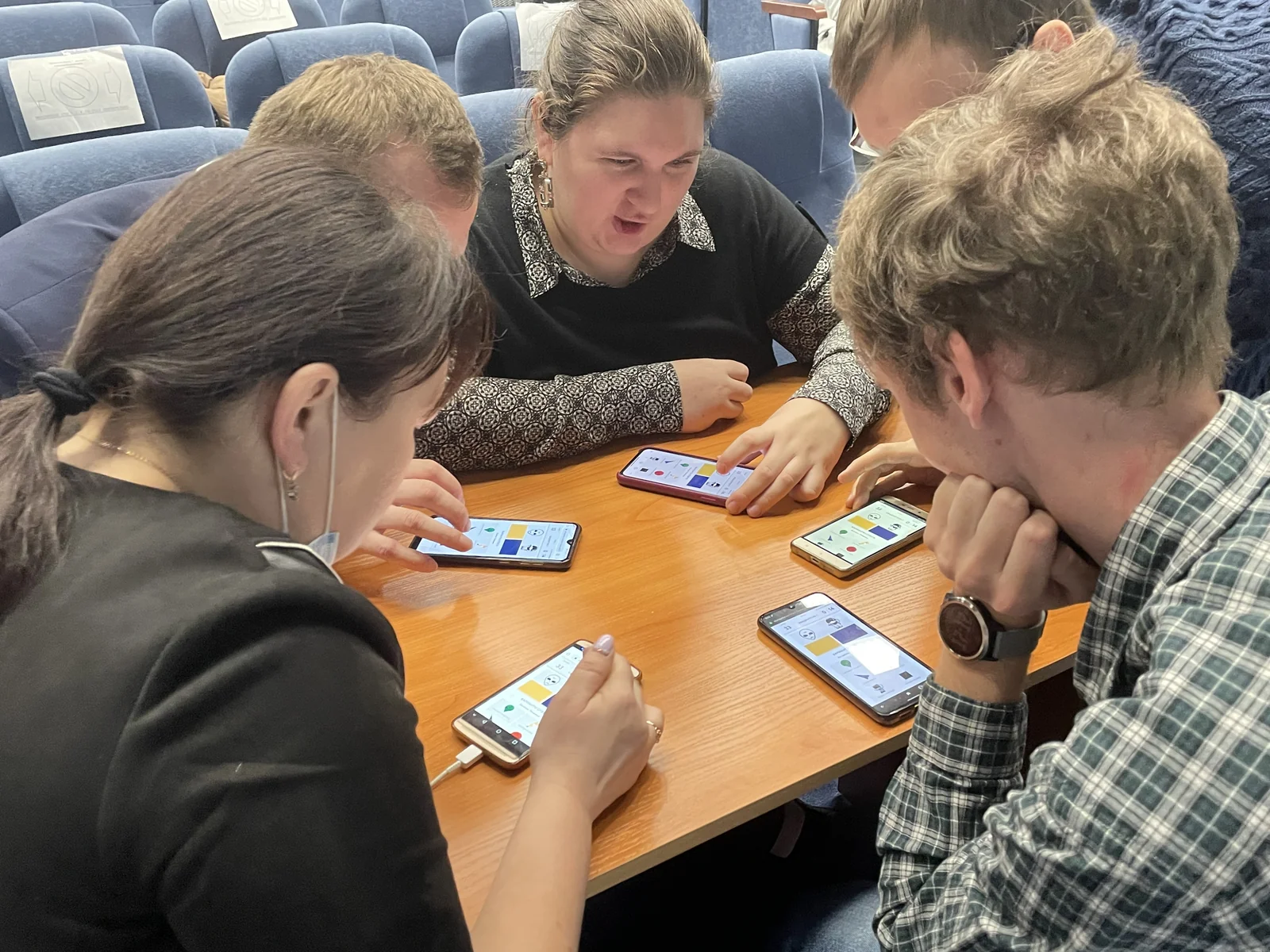
Materials vary by format. A tabletop or role simulation may use cards, decision sheets and board elements. A digital game may require platform access and participant instructions. Black Square, for example, requires every participant to have an internet-connected smartphone. The interface shows tasks, time and scores, and the facilitator can use accuracy and average response-time data during the debrief.
Questions to ask about the core package
- How many facilitators are included, and which language will they use?
- How much time is assigned to play and debriefing?
- How many material sets are supplied, and how will they arrive?
- Does the quotation include any requested visual or example adaptation?
- Which conditions apply to online or hybrid delivery?
Which costs are separate
Venue, equipment and catering sit outside the game price. You can source them through the organiser or contract the event suppliers directly. For equipment, specify the screen or projector, sound, microphones, reliable internet, power distribution and adapters. The final list depends on the game, headcount and room layout.
Venue costs may include hire, setup and breakdown time, furniture, cleaning and technical access. Catering depends on guest numbers, dietary needs and service windows. Place breaks between rounds and keep catering noise away from the facilitated discussion.
Avoid double counting
Assign an owner to each budget line: game provider, venue, technical supplier or caterer. If the venue supplies projection and sound, confirm whether an operator and a test are part of the fee. If an external facilitator is coming in, agree access time and loading rules with the venue.
| Budget area | Items to confirm | Owner |
|---|---|---|
| Game | Scenario, facilitator, materials, props | Game provider |
| Venue | Room, furniture, setup window | Venue manager |
| Equipment | Screen, sound, internet, operator | Technical supplier |
| Catering | Headcount, menu, service times | Caterer |
Information needed for an accurate quotation
Send the date and city, expected attendance range, preferred game or objective, working language, delivery mode and net programme window. A range matters because Right the Helm supports 8–50 people, Black Square supports 4–150 and Edges can take up to 120. A headcount change can alter the number of teams and material sets.
Ask each supplier to state the quotation validity, payment schedule and rules for changing attendance. Keep a contingency as a separate internal budget line so the approved scope remains clear.
Choose a format in the business games catalogue and collect the information in the table. To request a proposal with a clear scope, send an enquiry.